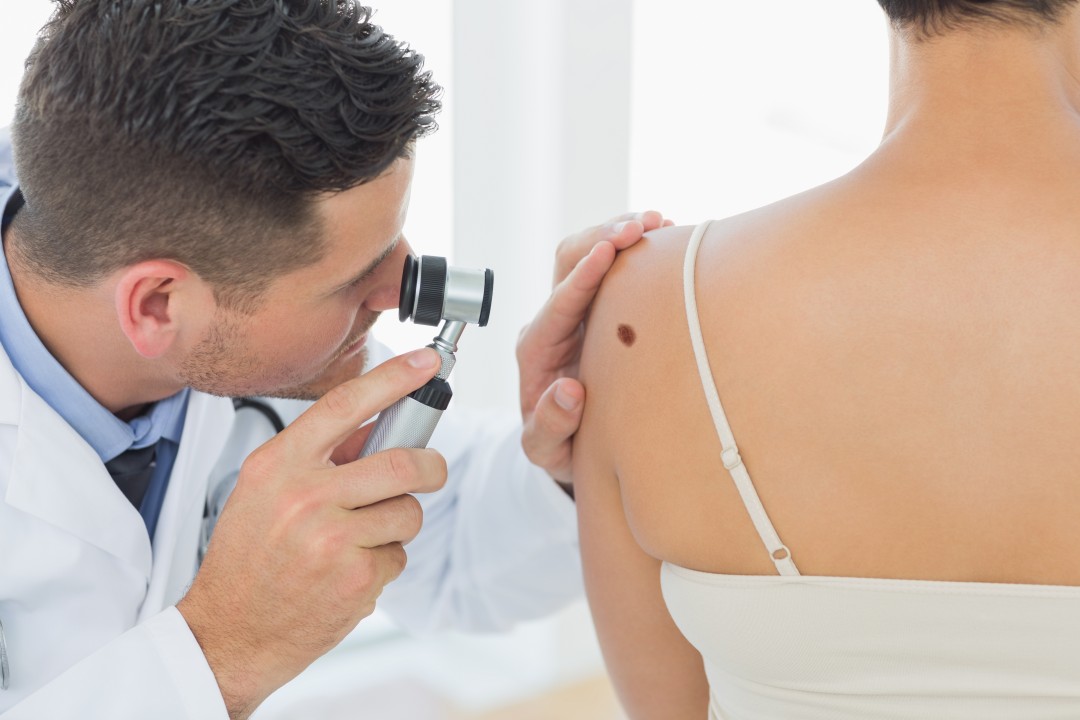
Skin health is important at every stage of life, especially as people age. For many older adults, questions about Medicare and dermatology coverage are common. Whether you’re dealing with acne, rashes, skin cancer, or you just need a dermatologist for routine care, it’s essential to understand what your Medicare plan will and won’t cover.
This guide will explain everything you need to know about Medicare and dermatology services, including types of coverage, costs, and what to expect from your plan.
What Is Dermatology and Why Is It Important?
Dermatology focuses on conditions that affect the skin, hair, and nails. Dermatologists treat a wide range of conditions including:
- Skin cancer
- Psoriasis
- Acne
- Eczema
- Rashes and infections
- Mole and wart removal
- Skin growth evaluations
As people age, the risk of skin cancer and other health concerns increases. This makes routine exams by a dermatologist a vital part of your overall healthcare.
Does Medicare Cover Dermatology?
The short answer is yes—but it depends on the services provided and the type of Medicare plan you have. Medicare generally only covers dermatology services when they are medically necessary. Cosmetic procedures are not typically included.
Medicare Part A and Dermatology
Medicare Part A is hospital insurance. It generally does not cover outpatient dermatology procedures. However, if you are admitted to a hospital and require a dermatology exam or treatment as part of inpatient care, then Part A might help cover the cost.
Medicare Part B and Dermatology
Medicare Part B handles outpatient care. This is where most dermatology visits are included. Part B will help pay for services that are considered medically necessary, such as:
- Evaluations for skin cancer
- Biopsies
- Mole or lesion removal
- Rashes and infections that require medical treatment
Part B does not cover cosmetic procedures such as wrinkle reduction or skin tag removal unless they’re medically necessary.
You usually pay 20% of the Medicare-approved amount for covered services, after meeting the Part B deductible. A Medicare-approved provider must perform the procedure.
Medicare Advantage (Part C) and Dermatology
Medicare Advantage plans, also called Part C, are provided by private insurance companies approved by Medicare. These plans must include the same coverage as Original Medicare (Parts A and B), but they can also offer additional benefits.
Some Medicare Advantage plans include extra coverage for dermatology, such as:
- Expanded network of providers
- Lower copays for specialist visits
- Coverage for certain cosmetic procedures
- Prescription drug coverage for topical and oral medications
To know exactly what is covered, check with your specific plan’s agent or provider.
Prescription Drugs for Dermatology: Medicare Part D
Many dermatology treatments involve prescription drugs such as topical creams, antibiotics, or biologic medications for chronic conditions like psoriasis.
Medicare Part D is optional prescription drug coverage that you can add to Original Medicare. Many Medicare Advantage plans also include Part D benefits.
Part D may help with the cost of:
- Acne treatments
- Fungal or bacterial infection medications
- Skin cancer medications
- Psoriasis and eczema prescriptions
Check your drug plan to confirm what medications are included in your formulary.
Which Dermatology Services Are Covered by Medicare?
Covered:
- Diagnosis and treatment of skin cancer
- Suspicious mole or growth removal
- Rashes and severe skin infections
- Wound care
- Biopsies
- Medically necessary laser procedures
Not Covered:
- Botox for wrinkles
- Skin tag removal (unless infected or irritated)
- Chemical peels
- Cosmetic mole removal
- Laser treatments for appearance only
Always consult with your doctor or dermatologist to confirm whether a service is medically necessary.
How Much Does Dermatology Cost With Medicare?
The cost of dermatology under Medicare depends on several factors:
- Type of Medicare plan
- Whether the provider accepts Medicare
- The procedure or treatment performed
- Use of prescription medications
For Original Medicare (Part B):
- You pay 20% of the Medicare-approved cost
- You must meet your yearly Part B deductible
- Additional fees may apply if your provider does not accept Medicare
With Medicare Advantage:
- Costs vary by plan
- May include copayments or coinsurance
- Might offer broader benefits
Be sure to ask your healthcare provider if the service is covered and what you may owe before the procedure.
Medicare and Skin Cancer Treatment
Skin cancer is one of the most common cancers in the U.S., especially in older adults. Early detection and treatment are key.
Medicare will typically cover all medically necessary exams, treatments, and surgeries for skin cancer, including:
- Suspicious mole evaluations
- Biopsies
- Mohs surgery
- Follow-up care
- Prescription medications
If you’re at high risk or have a history of skin cancer, Medicare may also cover regular screenings.
How to Find a Dermatology Provider That Accepts Medicare
Finding a dermatologist who accepts Medicare is important to ensure your coverage applies.
Here are some tips:
- Use the Medicare website to search for providers in your area
- Call the doctor’s office and ask if they accept Medicare assignment
- Ask your insurance agent for a list of in-network dermatology providers
- If you have a Medicare Advantage plan, contact your plan provider
Choosing a provider that accepts Medicare ensures lower out-of-pocket costs and helps you avoid surprise bills.
What If You Need a Referral?
Some Medicare Advantage plans may require you to get a referral from your primary care doctor before seeing a dermatologist. Original Medicare (Parts A and B) does not require referrals.
Check your plan details or speak with your Medicare agent to find out if a referral is needed.
Enrollment and Dermatology Benefits
You can enroll in Medicare during the following periods:
- Initial Enrollment Period: Three months before to three months after your 65th birthday
- General Enrollment Period: January 1 to March 31
- Open Enrollment: October 15 to December 7 (for switching or adding plans)
Choosing the right plan can affect your access to dermatology services, especially if you need ongoing treatments or medications.
How Medicare Helps People Maintain Skin Health
Many people don’t realize how important regular skin exams are for overall health. Early detection of cancer or infections can prevent serious procedures later. Medicare makes it easier for older adults to get access to these necessary services, so they can stay healthy and independent.
If you’re already seeing a doctor regularly, ask whether you should also see a dermatologist, especially if you have a family history of skin cancer, spend a lot of time outdoors, or notice changes in your skin.
FAQs: Dermatology and Medicare
1. Does Medicare cover routine skin exams?
Medicare generally does not cover routine exams unless they are medically necessary. However, if your doctor suspects a skin cancer risk or another condition, the exam is often covered.
2. Does Medicare cover cosmetic skin treatments?
No. Cosmetic procedures such as wrinkle treatments, fillers, or aesthetic mole removal are not covered.
3. Will Medicare pay for skin cancer removal?
Yes, if the removal is medically necessary, Medicare will cover the treatment.
4. Are prescriptions from a dermatologist covered?
Yes, if you have Medicare Part D or a Medicare Advantage plan that includes drug coverage. Check your plan’s formulary to see if your medication is included.
5. Can I switch Medicare plans if I need better dermatology benefits?
Yes, during open enrollment, you can change your plan to one that offers broader benefits or better access to dermatology services.
Final Thoughts
Medicare does provide important coverage for many dermatology treatments, especially when they are medically necessary. If you are dealing with suspicious skin changes, rashes, or need a biopsy or removal, your plan may help cover part or all of the cost.
To make the most of your benefits, always check if your provider accepts Medicare, confirm costs in advance, and speak with your agent to review your current plan and options.
Your skin is your body’s largest organ—protecting it is part of protecting your overall health. If you’ve been putting off a dermatologist visit, now is a good time to book an appointment and take that step toward better care.
At New Mexico Medicare Plan Advisor, we’re here to help you understand your dermatology coverage and find a Medicare plan that fits your needs. If you have questions or need help choosing the right plan, our friendly and knowledgeable agents are ready to assist you. Contact us today to get personalized support and make confident decisions about your healthcare.